Types and Applications of CCTV
RIGHT CAMERA. RIGHT PLACE. MAXIMUM SECURITY.
Best For
Where to Install
Why Use
01
Dome Camera

- Compact & discreet design
- Wide-angle indoor coverage
- Vandal-resistant dome shape
- Offices & Receptions
- Retail Stores & Shops
- Corridors & Hotels
Hard to identify viewing direction
Deters criminals via uncertainty
02
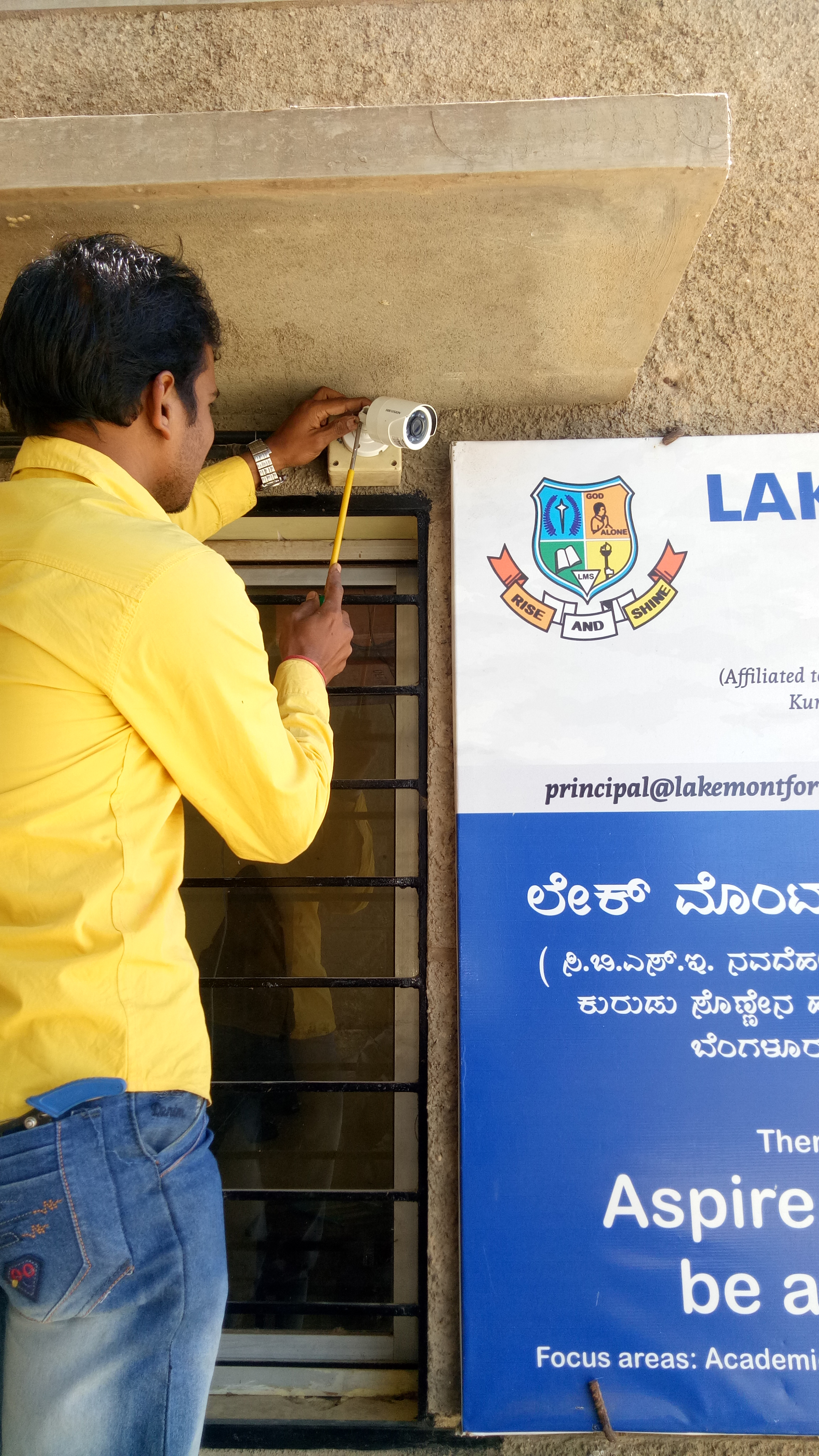
Bullet Camera

- Long distance surveillance
- Protective waterproof casing
- Wall / Ceiling mounted
- Outdoor Boundaries
- Parking Spaces
- Industrial Warehouses
Protects against rain, dust & dirt
Highly visible intruder deterrent
03
IT Camera
- Specialized targeted lenses
- IT1 / IT2 / IT3 lens options
- Fixed or Varifocal setups
- Long Passageways & Drives
- 30m Distance Target (6mm)
- Extended Facilities
Target long distance points
Adjustable focal length flexibility
04
IP / Network Camera

- Hardwired & Wireless options
- Transmits video via Network
- Bandwidth compression tech
- Networked Offices
- Remote Monitoring Sites
- Modern Connected Homes
Easier installation than analog
No power boost needed for distance
05
Cube Camera

- Elegant compact aesthetic
- H.264 & H.265 compression
- Extreme WDR technology
- Low-Light Dim Rooms
- Indoor Commercial Desks
- Residential Living Areas
Superior low-light color details
Built-in 2-way audio mic
06
Box Camera

- Detachable lens support
- Varifocal custom optics
- Heavy-duty casing design
- Long Range Facilities (>40ft)
- High-Security Zones
Fit specialized custom lenses
Exceeds standard 35-40ft limits
07
PTZ Camera

- Pan, Tilt, and Zoom motors
- Programmable presets
- Live guard joystick control
- Live Guard Control Rooms
- Large Grounds & Arenas
Left/Right, Up/Down pan & tilt
Zoom closer or farther live
08
Panoramic Camera

- 360° Fish-Eye coverage
- Single camera solution
- Inbuilt audio microphone
- Large Open Hallways
- Center Room Ceilings
Acts as 3 separate cameras
Reduces overall camera quantity
09
4G / WiFi Camera

- SIM card / WiFi enabled
- Supports up to 128GB SD Card
- 2-Way mobile audio link
- Remote Sites & Outposts
- Off-grid Solar Setups
No DVR/NVR setup required
Direct 3G/4G mobile streaming
10
360 WiFi Camera

- 360° Pan & 90° Tilt angles
- Onboard memory slot
- Inbuilt Speaker & Mic
- Residential Indoor Homes
- Desk / Table-Top Placement
- Small Offices & Shops
Full 2-way voice communication
Standalone local data storage